Exploring the Decline of UK Greyhound Racing

The Evolution and Current State of UK Greyhound Racing
Once a beloved pastime for many across the United Kingdom, greyhound racing is facing a significant decline in popularity and participation. As the landscape of sports continues to evolve, the traditional charm of UK Greyhound Racing Not on GamStop whippetgrey.co.uk greyhound racing meets numerous challenges that could shape its future. This article explores the reasons behind this downward trend, the implications it could have on the industry, and potential paths forward for the sport.
A Brief History of Greyhound Racing in the UK
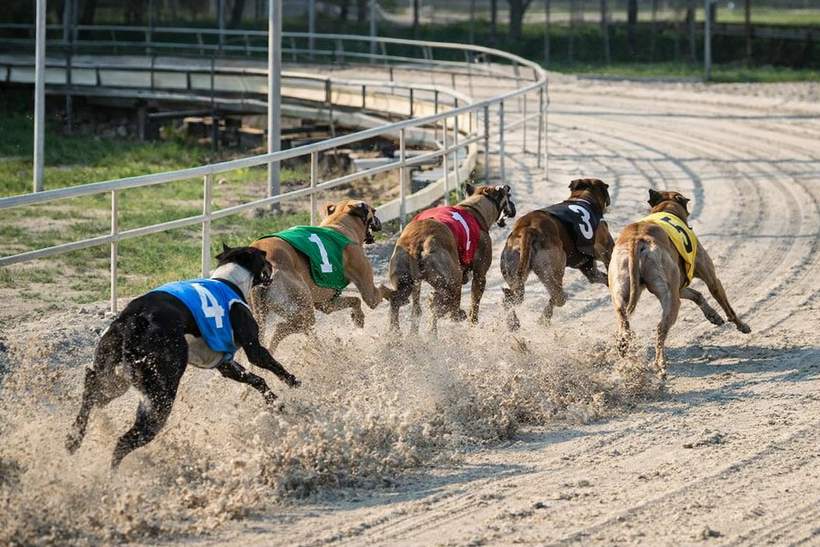
Greyhound racing has been a part of British culture since the late 19th century. Initially, informal races were held in parks and fields, but with the establishment of the first purpose-built track in 1926 at Wimbledon, the sport rapidly gained popularity. By the mid-20th century, greyhound racing had become a major betting sport, appealing to millions and drawing significant crowds to stadiums across the UK.
The Golden Age: Recognition and Popularity
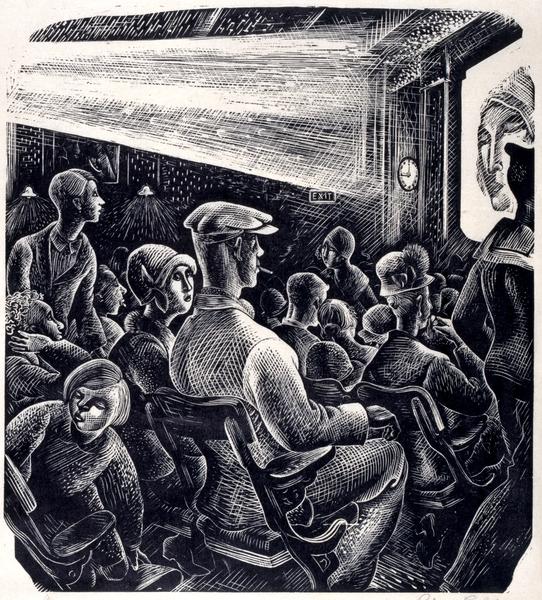
During its heyday, greyhound racing was synonymous with the social fabric of many communities. The thrill of the chase, the excitement of placing bets, and the camaraderie shared among fans transformed race days into collective experiences. Events like the English Greyhound Derby became focal points in the sporting calendar, attracting not just local spectators but also international attention.
The Shift in Entertainment Preferences
As the decades have progressed, so too have the interests of the public. The rise of alternative sports, digital entertainment, and easy access to various forms of leisure have significantly shifted audience engagement. Younger generations today are more inclined toward activities that prioritize technology and interactivity, overshadowing traditional pastimes such as greyhound racing. This demographic shift presents a challenge for the sport as it strives to attract new fans who favor modern sports or entertainment options.
Animal Welfare Concerns
One of the most significant issues affecting greyhound racing is the increasing focus on animal welfare. Reports of poor living conditions, injury rates, and the treatment of retired racing dogs have sparked outrage among animal rights groups and the general public. The 2020 report by the Greyhound Forum highlighted concerns about a lack of regulation and oversight in racing environments. The rising awareness around these issues has led to calls for reform, potentially alienating loyal fans and sponsors.
The Financial Realities
Financial challenges are another reason greyhound racing is not as prominent as once was. Revenue generated from betting has been on the decline, partly due to the rise of online gambling and alternative betting options that offer higher odds or more appeal. As a result, many tracks have faced closure or struggled to sustain operations, affecting the sport’s viability. Moreover, it is often difficult for smaller tracks to compete with larger, more modern facilities that can provide enhanced experiences for both spectators and participants.
Government Regulation and Support
Government regulation has also played a crucial role in shaping the current dynamics of greyhound racing. While some regulations aim to protect animal welfare and ensure safe practices, a perceived lack of support for the sport has left many industry stakeholders feeling abandoned. Those involved in the greyhound racing community argue for a more robust framework that not only focuses on animal welfare but also promotes the sport itself, enabling it to thrive in modern society.
Potential for Change: Innovations and Adaptations
Despite the challenges facing greyhound racing, there are opportunities for the sport to adapt and innovate. Initiatives that embrace technology, such as virtual reality experiences for fans, streaming services for races, and enhanced digital engagement, could attract a younger audience. Furthermore, collaborations with animal welfare organizations to promote better treatment and retirement options for racing dogs could help restore public trust and improve the industry’s image.
Conclusion: Looking to the Future
The future of UK greyhound racing hangs in a delicate balance. While the challenges are significant, they are not insurmountable. By addressing the concerns surrounding animal welfare and embracing modern marketing strategies, the sport has the potential to evolve and attract a new generation of fans. The upcoming years will be critical in determining whether greyhound racing can reclaim its place as a cherished institution in British culture or continue on a path of decline.
In conclusion, as UK greyhound racing stands at a crossroads, the decisions made today will undoubtedly shape the future of this once-thriving sport. Whether it can adapt to modern sensibilities and stand the test of time remains to be seen, but the hope for renewal and revitalization lingers in the hearts of its dedicated supporters.